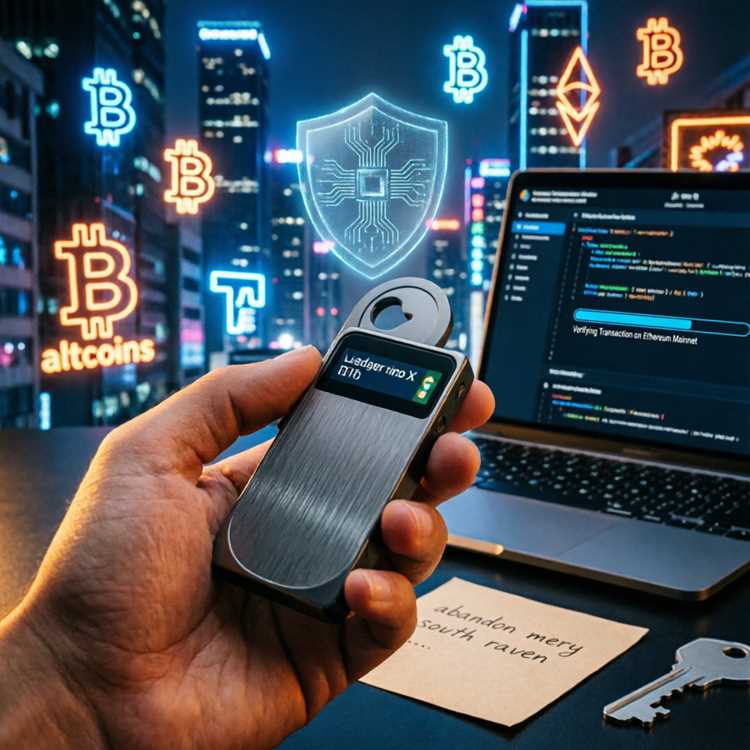
Why do millions trust cold storage over hot wallets?
Keeping digital assets online feels risky. Hackers target exchange wallets daily. Cold storage removes that threat completely. Ledger wallet Buy Secure Crypto Hardware Wallet Now offers a physical barrier between coins and the internet. Private keys never touch a connected device. This approach stops remote attacks right at the source.
Hot wallets hold coins on phones or computers. These devices connect to the web constantly. Malware can steal keys through screen captures or keyloggers. Hardware wallets isolate signing processes inside a secure chip. Transactions are verified offline before broadcasting. Even a compromised computer cannot drain funds without physical confirmation.
Users gain full control over their own assets. No third party holds the keys. Recovery phrases remain printed on steel or paper, stored safely away from screens. Considering the rise in exchange hacks and phishing scams, hardware protection becomes less optional and more essential for serious holders.
Millions have already moved their funds offline. Data shows over 6 million Ledger devices sold worldwide. The trend continues as regulators tighten rules and self-custody grows. Choosing a cold wallet now prevents headaches later.
What sets Ledger apart from other hardware wallets?
Ledger provides two main models: the Nano S Plus and the Nano X. Each targets different user needs. The Nano S Plus offers a lower price point with a USB connection. The Nano X adds Bluetooth for mobile use. Both use the same secure element chip certified by financial institutions.
Security standards matter most here. Ledger uses a custom operating system called BOLOS. It isolates each installed app inside its own virtual machine. One compromised app cannot access data from another. This architecture received validation from independent security researchers.
Comparing other brands shows clear differences. Trezor uses a different chip architecture. Some models lack the certified secure element that Ledger includes. Hardware Battle details more differences between these two leaders.
Supported assets and blockchain compatibility
Ledger supports over 5,500 coins and tokens. This includes Bitcoin, Ethereum, Solana, and thousands of ERC-20 tokens. New assets get added regularly through firmware updates. Users install specific apps for each blockchain directly on the device. Storage space on the Nano S Plus holds up to 100 apps. The Nano X holds more due to additional memory.
Managing multiple chains from one device simplifies portfolio tracking. No need to buy separate wallets for different ecosystems. One device secures everything from NFTs to DeFi positions. Ledger for NFTs explores how collectors protect digital art.
Build quality and design philosophy
Physical durability matters for long-term storage. Ledger devices use hardened plastic with a matte finish. Buttons provide tactile feedback for menu navigation. Screens show transaction details clearly before signing. The Nano X includes a larger display compared to the Nano S Plus.
Battery life on the Nano X reaches up to 8 hours of active use. Standby mode preserves power for weeks. The Nano S Plus draws power directly from the USB port. Carrying either device in a pocket or bag feels natural due to compact size. Weight stays under 35 grams for both models.
Software ecosystem and user experience
Ledger Live acts as the central dashboard. It runs on desktop and mobile platforms. Users check balances, send transactions, and buy crypto directly through the app. Third-party integrations connect with exchanges like Coinbase and Binance. Staking services support networks like Tezos and Polkadot right inside the interface.
Setting up a new device takes about 15 minutes. First step installs Ledger Live on the computer. Next step connects the device via USB or Bluetooth. Creating a PIN code secures physical access. Writing down the 24-word recovery phrase happens offline. After that, installing apps and transferring funds works quickly.
How does the purchase process work from start to finish?
Buying a Ledger wallet Buy Secure Crypto Hardware Wallet Now directly from the manufacturer ensures authenticity. Third-party sellers sometimes tamper with packaging. Counterfeit devices exist on marketplaces like Amazon or eBay. Ordering from the official store eliminates that risk completely.
Step 1: Visit the official store. Select either the Nano S Plus or Nano X model. Compare available bundles that include accessories like cases or cable adapters. Add chosen items to the cart.
Step 2: Proceed to checkout. Enter shipping information. Choose payment method. Options include credit cards, PayPal, or cryptocurrency. Processing time averages 2 to 5 business days for standard shipping. Express shipping arrives within 24 hours in certain regions.
Step 3: Receive the package. Inspect the box for tamper-evident seals. Verify all seals are intact before opening. Inside find the device, USB cable, recovery phrase sheets, and instruction manual. No setup required before first use.
Step 4: Download Ledger Live. Create a new wallet or restore an existing one using the recovery phrase. Transfer funds from exchanges to the new wallet addresses. Store the recovery phrase offline. Never share it with anyone.
Which Ledger model matches your specific needs?
Choosing between models depends on usage frequency and mobility. Daily traders benefit from the Nano X Bluetooth feature. Long-term holders saving coins for years find the Nano S Plus sufficient. Table below shows key differences.
| Feature | Nano S Plus | Nano X |
|---|---|---|
| Connection | USB only | Bluetooth + USB |
| App capacity | Up to 100 apps | Up to 100 apps |
| Battery | No battery | 8 hours active |
| Display size | 128x64 pixels | 128x64 pixels |
| Dimensions | 62x17x9 mm | 72x18.5x11 mm |
| Price | $79 | $149 |
| Weight | 21 grams | 34 grams |
Users wanting mobile access choose the Nano X. Desktop-only users save money with the Nano S Plus. Both models offer identical security for the seed phrase and private keys. Transaction signing works the same way. The only tradeoffs relate to convenience versus cost.
Accessories that enhance the experience
Protecting the device physically matters. Cases shield against drops and scratches. Leather and silicone options exist. Cables with various lengths help with different desk setups. Adapters connect to newer laptops lacking USB-A ports.
Recovery phrase backup solutions include steel plates and capsules. These resist fire and water damage. Paper backups degrade over time. Steel backups last indefinitely for disaster recovery planning.
Setting up multiple devices for backup
Power users often buy two devices. One stays at home connected to a computer. The other travels in a bag for mobile access. Both share the same recovery phrase. If one gets lost or damaged, the other still works. Redundancy reduces stress about hardware failure.
What security features protect against physical theft?
Physical possession of the device does not guarantee access. A PIN code unlocks the screen. Entering the wrong PIN three times resets the device. Thieves cannot brute force the code quickly. The secure element chip refuses to cooperate after failed attempts.
Passphrase support adds another layer. Users set an optional 25th word to the recovery phrase. Different passphrases lead to completely different wallets. Deniability works well: one passphrase shows small balances while another reveals the main stash. Attackers cannot prove the existence of hidden accounts.
Ledger offers a recovery service called Ledger Recover. It splits the seed phrase into encrypted shards. Users can restore access without storing the full phrase themselves. Critics argue this introduces a trust assumption. Users who prefer self-custody simply skip this feature. It remains optional and off by default.
Phishing resistance through physical buttons
Software wallets display transaction details on a screen. Users often click confirm without reading carefully. Hardware wallets force confirmation on the device screen. Buttons must be pressed to approve each action. Man-in-the-middle attacks fail because the display shows the real recipient address.
Ledger screens use high-contrast OLED technology. Brightness adjusts automatically. Viewing angles remain good in direct sunlight. Transaction amounts appear with full decimal precision. No truncation hides small details that could trick users.
Firmware updates and vulnerability patches
Security threats evolve constantly. Ledger releases firmware updates every few months. Updates add new features and patch potential bugs. Installing them through Ledger Live takes minutes. The device always verifies the signature of the downloaded firmware. Rogue updates cannot be installed without cryptographic validation.
Historical vulnerabilities have been rare. When found, Ledger responded within days. Public disclosure policies keep the community informed. Independent bounty programs reward researchers who report issues. Transparency builds trust over time.
How to transfer coins from exchanges to your wallet
Moving funds off exchanges starts with generating a receive address. Open Ledger Live and select the relevant asset. Click receive and confirm on the device. The app displays a long alphanumeric string and a QR code. Copy the address carefully. Some malware replaces clipboard addresses with thief addresses. Verifying the address on the device screen catches this attack.
Paste the address into the exchange withdrawal page. Enter the amount to send. Double check both the address and amount. Set network fees appropriately. Lower fees mean slower confirmations. Higher fees prioritize fast processing. Confirm the transaction on the exchange side.
Wait for blockchain confirmations. Bitcoin requires three confirmations for finality. Ethereum works faster with about 12 block confirmations. Ledger Live updates the balance automatically after confirmations arrive. Funds now sit in cold storage completely under user control.
Common mistakes to avoid during transfers
Never send funds to an address shown only on a computer screen. Always cross reference with the device display. Sending to the wrong network causes permanent loss. ERC-20 tokens must go to Ethereum addresses. Sending them to a Bitcoin address loses them forever.
Always send a small test transaction first. Ten dollars worth of crypto confirms the process works. Wait for the test to arrive before sending the full amount. This precaution saves heartache from typos or network mismatches.
How does DeFi integration work with hardware wallets?
Decentralized finance platforms require signing transactions to interact with smart contracts. Ledger connects through browser extensions like MetaMask or Rabby. Users approve each transaction on the device. Private keys never leave the hardware even while using web apps.
Lending, borrowing, and swapping all function the same way. Users connect their Ledger to the platform. Every approval message appears on the device screen for verification. Platform contracts cannot drain funds without explicit permission per transaction. DeFi Security Wallet elaborates on protecting yield farming positions.
Gas fees get displayed before signing. Users adjust fees based on network congestion. Ledger Live provides fee estimates for popular chains. This transparency prevents surprise charges from inefficient smart contracts.
Staking and earning rewards securely
Staking locks tokens to secure proof-of-stake networks. Ledger integrates staking for assets like Solana, Polkadot, and Tezos. Rewards accumulate over time directly in the wallet. The device stays offline while staking. Only signing delegation transactions requires connection. Validators earn fees without moving funds off the hardware.
Unstaking periods vary by network. Some take days to process. Users plan accordingly to avoid liquidity shortages. Rewards appear as native token increments in the balance history. Tax reporting tools import this data easily from Ledger Live exports.
What happens if the device gets lost or damaged?
Losing the hardware does not mean losing the crypto. The recovery phrase restores everything on a new device. Ordering a replacement from Ledger Official Store takes a few days. During that time funds remain safely on the blockchain. No one can move them without the phrase.
Damage from water or drops rarely affects the seed phrase. The phrase exists independently of the device. Users punch the words into any compatible wallet software or hardware. Restoring on a phone or computer works temporarily until a new device arrives.
Ledger offers a care package for users worried about accidents. Extended warranty covers manufacturing defects for two years. Replacement devices ship quickly for verified customers. Peace of mind costs little compared to the value of stored assets.
Proper recovery phrase storage techniques
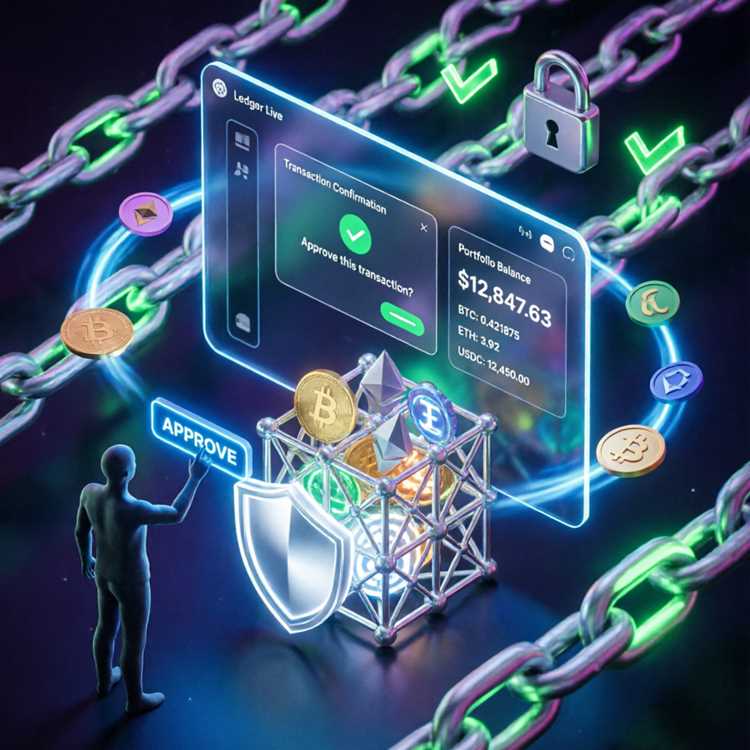
Writing the 24-word phrase on paper risks fire or water damage. Metal plates stamped with letters survive extreme conditions. Splitting the phrase into multiple parts adds security. Store each part in a different location. Social recovery options share shards with trusted contacts.
Never store the phrase digitally. No photos, emails, or cloud backups. Any digital copy becomes vulnerable to hackers. Physical storage remains the only safe method. Laminated paper inside a safe provides adequate protection for most users.
How does the Ledger Stax differ from standard models?
Ledger Stax represents a premium design collaboration with iPod creator Tony Fadell. It features a curved E Ink touchscreen. The display always shows current balances without draining battery. Users customize the lock screen with NFT artwork. This model appeals to collectors wanting aesthetic value alongside security. Ledger E Ink Wallet reviews the full features in depth.
Size of the Stax is larger than Nano X. It sits on a desk like a small picture frame. Touch gestures replace physical buttons for some operations. Security architecture remains identical to other models. The secure element chip handles key generation and signing the same way.
Price for the Stax starts at $279. Limited availability means frequent restocks sell out quickly. Early adopters appreciate the unique form factor. Traditionalists prefer the Nano series for portability and price.
Comparing Stax to Nano X for daily use
Battery life on Stax lasts weeks due to E Ink technology. The screen updates only when content changes. Nano X uses OLED which consumes more power. Stax connects through USB-C or wireless charging. Nano X uses USB-C with Bluetooth.
Portability favors the Nano X. It fits easily in a pocket. Stax requires a bag or briefcase. Both support the same apps and services. Choice comes down to design preference and usage context. Trying both models helps decide which fits better.
Frequently asked questions about Ledger hardware wallets
Can Ledger be used without internet access?
Yes. Signing happens offline. Broadcasting requires internet on the connected computer or phone.
Does Ledger support Bitcoin and Ethereum?
Both coins are supported along with thousands of others. Install the corresponding app on the device.
How long does shipping take?
Standard shipping takes 3 to 7 business days. Express shipping arrives in 1 to 2 days. Check Buy for Ledger Live for tracking options.
Is the recovery phrase compatible with other wallets?
Yes. The 24-word BIP39 standard works with most wallets. Import into Electrum, Trust Wallet, or other hardware brands.
Can I use Ledger with multiple computers?
Yes. Install Ledger Live on each machine. The device works with any number of computers.
What happens if the company goes bankrupt?
The hardware and seed phrase remain fully functional. No company involvement needed to sign transactions. Open source software maintains compatibility.
Does Ledger charge monthly fees?
No recurring fees exist. One-time purchase covers the device. Ledger Live app is free to use.
How many cryptocurrencies can one device hold?
Limited by app storage space. Remove and reinstall apps to manage different assets. The seed phrase controls all chains regardless of installed apps.
Summary of key advantages for choosing cold storage
Hardware wallets eliminate online attack vectors. Private keys stay offline throughout the entire lifecycle. Phishing schemes cannot extract seed phrases from disconnected devices. Physical control prevents unauthorized transactions even if a computer gets hacked.
Setting up a Ledger wallet Buy Secure Crypto Hardware Wallet Now takes less than an hour. The investment protects assets worth potentially thousands or millions. Regular firmware updates keep security current. Accessories like steel backups ensure decades of safe storage.
Comparing prices between models helps match budget to needs. The Nano S Plus offers full security at a lower entry point. The Nano X adds mobile flexibility. The Stax provides premium design. All models share the same core security infrastructure. Choosing any model improves safety over hot wallet alternatives.
For the best value, check current bundles at ledger wallet store. Discounts on combo packs include multiple devices and accessories. Best Ledger Deals lists ongoing promotions throughout the year. Buying direct ensures authenticity and warranty coverage.
Millions of users have already made the switch. Self-custody grows more important as regulations change and exchange risks persist. Taking control of private keys remains the single most effective way to protect digital wealth. Hardware wallets make this process simple, reliable, and affordable for everyone.