
Why Compare Hardware Wallets?
Managing cryptocurrency safely starts with choosing the right storage device. Many owners ask Ledger vs Trezor: Which Wallet is Best? Compare Now to find the top rated cold wallet. This guide breaks down every detail. You will learn which model fits your needs best. Both brands lead the hardware battle for security and ease of use. Deciding between them requires a close look at features, price, and support. Our cold wallet guide covers everything from setup to advanced tools. Read on to pick the best premium wallet for your coins.
Understanding Cold Storage and Private Keys
A cold wallet keeps your private keys offline. This stops hackers from stealing assets online. Ledger and Trezor both offer this protection. Each device generates keys inside a secure chip. Never share your recovery phrase. Storing keys offline is the safest crypto wallet method. Beginners often ask if hardware wallets are worth it. Yes, they protect against malware and phishing. Using a cold wallet guide helps you avoid common mistakes. Always buy directly from the manufacturer.
How Private Keys Stay Offline
Both devices create keys without ever exposing them to a computer. Transactions are signed inside the hardware. Only the signed data leaves the device. This process keeps your keys hidden. Even a hacked computer cannot steal them. Choosing a top security wallet means trusting this process.
Importance of the Recovery Phrase
When you first set up a wallet, it gives you 12 or 24 words. Write them down on paper. Never store them digitally. Losing your phrase means losing access to funds. Both Ledger and Trezor use BIP39 standard. This makes recovery possible with any compatible wallet.
Comparing Chip Technology
Ledger uses a secure element chip similar to credit cards. Trezor relies on a general purpose microcontroller. Each approach has pros and cons. Secure elements resist physical attacks better. Open source firmware on Trezor allows community audits. Decide best wallet based on your threat model.
Ledger vs Trezor: Design and Build Quality
Hardware wallets need to be durable and easy to carry. Ledger offers small, lightweight designs. The Nano S Plus fits on a keychain. Trezor devices are larger with color screens. Both feel solid in hand. The hardware battle often comes down to personal preference. Some users prefer the button interface of Trezor. Others like the compact size of Ledger. Check the dimensions before buying.
Display and Buttons

Ledger Nano X has a curved screen and two buttons. Trezor Model T features a touchscreen. Touchscreens are easier for entering passphrases. Buttons work well for confirmations. Both screens are readable outdoors. Comparing screen size, Trezor offers a bigger display. Ledger uses a smaller but clear panel.
Portability and Materials
Ledger devices weigh under 20 grams. Trezor weighs around 30 grams. Plastic casing protects both from drops. Ledger includes a keychain ring. Trezor comes with a USB cable and stand. Carrying them daily is easy. For travel, the ledger wallet is more pocket friendly.
Battery and Connectivity
Ledger Nano X has a built in battery for Bluetooth use. Trezor does not have a battery. It needs a USB connection to work. Bluetooth allows mobile pairing without cables. Some security experts prefer wired connections. Your choice depends on convenience versus strict security.
Supported Cryptocurrencies and App Ecosystem
Both wallets support hundreds of coins and tokens. Ledger integrates with Ledger Live software. Trezor uses Trezor Suite. Each app manages balances and transactions. Supported assets overlap heavily but differences exist. Ledger supports more obscure tokens. Trezor focuses on major coins like Bitcoin and Ethereum. Check the official list before purchasing. Our comparison helps you decide best wallet for your portfolio.
Coin and Token Compatibility
Ledger supports over 5000 coins and tokens. Trezor supports around 1400. Both cover Bitcoin, Ethereum, Litecoin, and ERC20 tokens. For Solana, Cardano, or Polkadot, Ledger has native apps. Trezor requires third party wallets for some assets. Always verify compatibility with your coins.
Desktop and Mobile Apps
Ledger Live works on Windows, Mac, Linux, iOS, and Android. Trezor Suite offers the same platforms. Mobile support is stronger on Ledger due to Bluetooth. Trezor needs an OTG cable on phones. Both apps allow sending, receiving, and staking. User interface on Trezor Suite is slightly simpler. Ledger Live provides more portfolio tracking tools.
Third Party Wallet Integration
Both devices connect to MetaMask, Electrum, and other software. This extends functionality for DeFi and NFTs. Trezor integrates directly with Suite for Bitcoin transactions. Ledger supports more DeFi protocols through Ledger Live. For Secure NFT Storage, Ledger has dedicated NFT apps. Trezor requires third party dApp browsers.
Security Features Compared
Security is the main reason to buy a hardware wallet. Both use strong encryption and PIN protection. Ledger and Trezor have never been hacked remotely. Physical theft attempts are rare. Each brand offers passphrase support for hidden wallets. The top security wallet must also protect against supply chain attacks. Verify device authenticity upon arrival. Our safest crypto wallet guide explains tamper evidence.
Secure Element vs Open Source
Ledger uses a certified secure element (CC EAL5+). Trezor uses a standard STM32 chip with no secure element. Secure elements resist physical extraction of keys. Trezor compensates with fully open source firmware. Open source allows independent audits. Some argue open source is more transparent. Others trust the certified hardware. Choose based on your priority.
PIN and Passphrase Settings
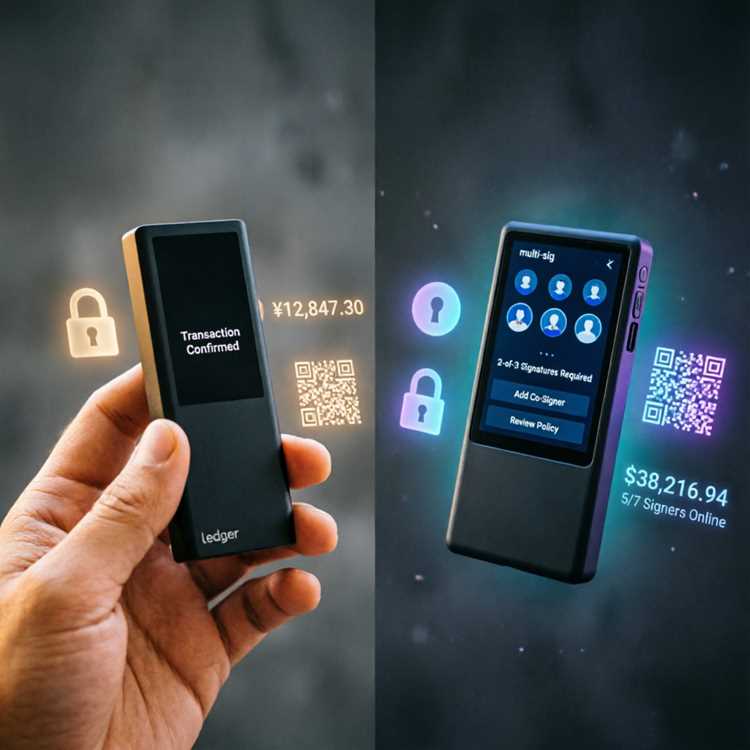
Both devices lock after wrong PIN attempts. You can set a custom passphrase as an extra word. This creates a hidden wallet even if your seed is stolen. Trezor allows longer passphrases up to 50 characters. Ledger also supports passphrases. Both are user friendly security options. Enable passphrase for high value accounts.
Recovery Process
Losing a device requires buying a new one. Use your recovery phrase to restore funds. Ledger offers a recovery check app to verify your seed. Trezor provides a similar tool in Suite. Both support Shamir backup on Trezor Model T. Shamir splits your seed into multiple shares. This adds redundancy without single point of failure.
User Experience and Setup Process
Setting up a hardware wallet should be simple. We tested both brands with beginners in mind. Trezor has a guided web setup. Ledger uses a desktop app. Both take about 10 minutes. After setup, daily use is straightforward. Following this cold wallet guide will save time. Below we list the steps.
- Unbox the device and check for tampering.
- Connect to a computer or phone using the provided cable.
- Download the official app: Ledger Live or Trezor Suite.
- Create a new wallet or restore an existing one.
- Write down the 24 word recovery phrase on paper.
- Set a PIN code (4 to 8 digits).
- Install apps for the cryptocurrencies you want to store.
- Send a small test transaction to confirm setup.
Both processes are similar. Ledger requires app installation per coin. Trezor Suite loads all supported coins automatically. Beginners often prefer Trezor for fewer steps. Power users like Ledger’s granular control. The hardware battle for ease of use is close.
Mobile Experience
Ledger Nano X connects via Bluetooth to a phone. You can manage coins without a computer. Trezor Model T requires USB OTG cable for mobile use. Some Android phones support native USB, but iPhones need a special adapter. For mobile users, Ledger wins. Trezor is best for desktop only setups.
Learning Curve
Both have excellent documentation and video guides. Trezor guides are slightly more visual. Ledger offers detailed articles for advanced topics. New users can start with either. The learning curve is low for basic send and receive. Advanced features like staking require reading help pages. Overall, both are user friendly security solutions.
Price and Value: Which Offers Better Deals?
Cost matters when buying a cold wallet. Ledger offers multiple models at different prices. Trezor has two main models. The cheapest Ledger is the Nano S Plus at around $79. Trezor Model One costs about $69. Premium models like Ledger Nano X and Trezor Model T cost $149 and $219 respectively. Special bundles include extra cables and cases. Look for Ledger Promo Code offers to save money.
| Model | Price (USD) | Coins Supported | Screen Type | Best For |
|---|---|---|---|---|
| Ledger Nano S Plus | $79 | 5000+ | OLED 128x64 | Budget friendly cold wallet |
| Ledger Nano X | $149 | 5000+ | OLED 128x64 | Mobile users, Bluetooth |
| Ledger Stax | $279 | 5000+ | E Ink touchscreen | Premium design, large display |
| Trezor Model One | $69 | 1400+ | OLED 128x64 | Simple Bitcoin storage |
| Trezor Model T | $219 | 1400+ | Color touchscreen | Advanced users, Shamir backup |
Bundles like Ledger Gift Bundle include a Nano plus case and gift card. Trezor offers no official bundles. Value also depends on included accessories. Both come with USB cable and recovery sheet. Protect your purchase with Buyer Protection and extended warranty.
Long Term Cost
Hardware wallets last years. No monthly fees. The only recurring cost is potential need for a new device if lost. Both brands offer two year warranty. Ledger provides a recovery service for an extra fee. Trezor does not. Consider total cost of ownership.
Discounts and Promotions
Sales happen during Black Friday and crypto events. Ledger often runs bundle deals. Trezor rarely discounts. Subscribe to newsletters for alerts. Our comparison helps you decide best wallet for your budget.
Advanced Features for Power Users
Experienced users want staking, DeFi, and multi signature support. Both wallets handle advanced operations. Ledger integrates with many DeFi apps directly. Trezor requires third party interfaces. The hardware battle for features is worth examining. Below we list key advanced functions.
- Staking: Ledger supports staking for Tezos, Cosmos, Ethereum, and more. Trezor allows staking only via third parties.
- Multi Signature: Both can sign for multisig wallets using Electrum or other tools.
- PSBTs (Partially Signed Bitcoin Transactions): Both support PSBT for cold storage.
- Firmware Updates: Update securely through official apps. Both have signed firmware.
- Shamir Backup: Only Trezor Model T offers this. Splits seed into multiple shares.
- U2F / FIDO: Both can act as hardware security keys for 2FA.
Power users often prefer Ledger for wider DeFi access. Trezor fans value open source and Shamir. Choose based on your needs.
NFT and Metaverse Support
Ledger provides a dedicated NFT viewer in Ledger Live. You can see your collectibles on the device screen. Trezor Model T shows NFTs through third party apps. For Secure NFT Storage, Ledger is more integrated. Ledger Stax even displays NFT art on its E Ink screen. This is a unique feature.
Firmware and Software Updates
Both brands update firmware regularly. Updates add new coin support and patch security issues. Always download from official sources. Ledger requires a computer for updates. Trezor Suite handles updates over USB. Keep your device up to date for best protection.
Customer Support and Warranty
Reliable support matters when you need help. Ledger offers email support, a knowledge base, and community forum. Trezor provides similar channels plus a live chat (limited hours). Response times vary. Both have comprehensive FAQ sections. Warranty covers manufacturing defects for two years. Buyer Protection from Ledger includes replacement for lost shipments. Trezor does not offer that. Check return policies before buying.
Community and Documentation
Ledger has a larger user base. Tutorials are abundant in multiple languages. Trezor’s documentation is very clear and beginner friendly. Both have active Reddit communities. Decide best wallet also based on the quality of help available.
Shipping and Returns
Ledger ships from several warehouses worldwide. Shipping costs vary. Trezor ships from the Czech Republic. Expect 5-10 business days. Returns must be unopened. Used devices cannot be returned for security reasons. Buy directly to avoid tampered units.
Frequently Asked Questions (FAQ)
This section answers common questions about the hardware battle between these two brands.
Is Ledger or Trezor more secure?
Both are highly secure. Ledger uses a certified secure element. Trezor is fully open source. Neither has suffered a remote hack. Your personal safety depends on keeping the recovery phrase private.
Which wallet supports more coins?
Ledger supports over 5000 coins and tokens. Trezor supports around 1400. If you hold many altcoins, Ledger is better. For Bitcoin and Ethereum only, Trezor works fine.
Can I use Ledger or Trezor on my phone?
Ledger Nano X connects via Bluetooth to Android and iOS. Trezor Model T needs USB OTG cable. For mobile convenience, Ledger wins.
What is the difference between Ledger Stax and Trezor Model T?
Ledger Stax features a large E Ink touchscreen and Bluetooth. Trezor Model T has a color LCD touchscreen. Stax is newer and more expensive. Both support many coins. Stax offers NFT art display.
Are there any hidden fees?
No monthly fees. Network transaction fees apply when sending coins. Both wallets estimate fees. You can adjust them.
Which wallet is best for beginners?
Both are beginner friendly. Trezor Suite has a simpler interface. Ledger Live is slightly more feature rich. Try both demos online to decide best wallet for your skill level.
Choosing between Ledger and Trezor comes down to your priorities. Compare the features above. Think about coin support, price, and mobile use. For most users, either device provides excellent security. Follow our cold wallet guide to make an informed choice. The top rated cold wallet is the one that fits your lifestyle.